The perfect storm: four forces converging on your business
Sovereignty, Quantum, Regulation and AI are arriving at once. Each raises the cost of holding data, and each can become value when your data proves itself.
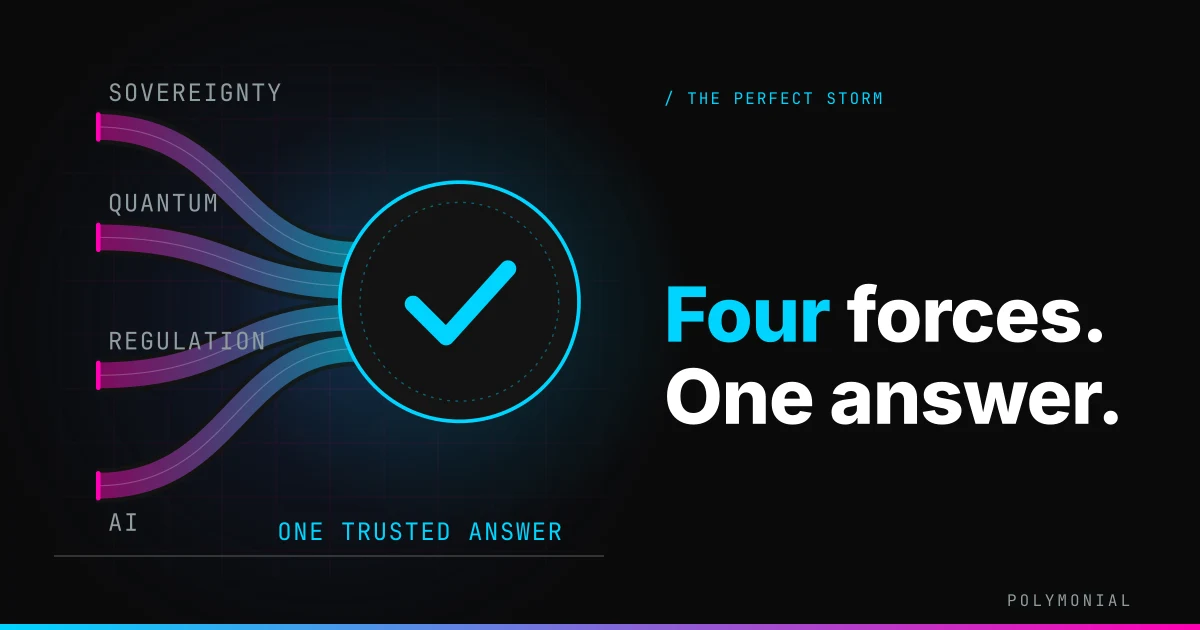
Any one of these pressures would be enough to reshape a technology plan. Your business is facing all four at the same time.
Each arrives with its own vocabulary, its own experts and its own budget line. That makes them look like four separate problems. They aren't. All four land on your data and compute. They share a root cause, and they share an answer.
Sovereignty
Boards, customers and governments want to know who controls your data and where it is processed. Moving data between clouds, countries and partners now carries a question you have to answer every time: who can see this, and under whose rules?
What it costs today. Data gets duplicated into regional copies. Contracts multiply. Projects stall while legal teams work out whether a transfer is allowed. Every new partner or cloud region reopens the same debate.
The value. Control that travels with the data, not the datacentre. Your data carries its controls wherever it goes, so you can show who may see it, wherever it sits.
Quantum
Data taken today can be stored and read later, once the protection around it weakens. Records that must stay private for decades, such as health, pension, legal and government records, are exposed to threats that are still emerging.
What it costs today. A long migration programme, often planned system by system, with long-lived records left exposed while it runs.
The value. Protection that stays with the data and can be kept current as threats evolve.
Regulation
Every new rule lands as another assessment, another report and another round of evidence-gathering. Fines, notifications and claims grow with each one, and the rules don't stop arriving.
What it costs today. Compliance teams that spend most of their time collecting evidence rather than improving controls. Over-sharing with regulators and auditors, because sending everything feels safer than sending the wrong thing.
The value. Each rule becomes a control that lives with your data, and you reuse it. When the regulator asks, you have a clear answer, and you give them what they asked for rather than everything you have.
AI
AI is trained and run on the data you are responsible for. Leaders want AI everywhere, and can't yet show that it is safe or permitted. At the same time, AI makes evidence easier to fake, so every document, image and log is a little less trustworthy than it was.
What it costs today. AI projects held back by legal review. Policies that say what AI may use, with no way to show that it did. Growing doubt about whether any piece of evidence is real.
The value. Clear evidence of how your data is used, which the people who rely on it can check for themselves.
What it looks like: one quarter, four programmes
Picture a chief information officer at a mid-sized insurer, three months into the year.
Before. Four programmes are running in parallel. A sovereignty review is mapping every place customer data is copied. A post-quantum readiness study is listing long-lived records. A compliance team is preparing evidence for a new operational-resilience rule. An AI working group is drafting a policy on what models may use. Each programme commissions its own data inventory. Each copies sensitive records into its own spreadsheets so people can analyse them. By the end of the quarter, the organisation has more copies of its most sensitive data than it started with, and four reports that don't agree.
After. The same four questions are answered from one place. Customer data carries its own controls, so the sovereignty question has one answer wherever the data sits. Long-lived records carry protection that is kept current. Evidence for the regulator can be drawn from the data itself, without making another copy. The AI policy can be shown, not just written down. Four programmes become one way of working, without multiplying copies.
The root cause
These forces share a root cause. Trust has always lived in the systems around data: the network, the database, the cloud account, the vendor's promise. When data moves, trust is left behind, and has to be rebuilt by whoever holds the data next.
Sovereignty asks who controls data once it moves. Quantum asks whether its protection will outlast the move. Regulation asks for evidence that travels with it. AI asks how it was used once it arrived. Every one of them is a question about data that has left home.
One answer
Smart Data Infrastructure is the layer under all four. It puts trust in the data, so it stays secure, trusted and under your control wherever it goes. That turns each force from a cost into value:
- sovereignty becomes control you can show anywhere;
- quantum readiness becomes protection you can keep current;
- regulation becomes evidence you already have;
- AI use becomes something you can show, and others can check.
Where to start
You don't need to solve all four at once. Start by asking four questions about your most sensitive data:
- Where are the copies, and who holds them?
- Which records must stay private for decades?
- Which rules will ask for evidence about them in the next two years?
- Which AI systems use them, or soon will?
The answers usually point to the same small set of data. That's where Smart Data Infrastructure starts.
See what Smart Data Infrastructure does for your most sensitive data. Join the waitlist for early access.
Related Posts
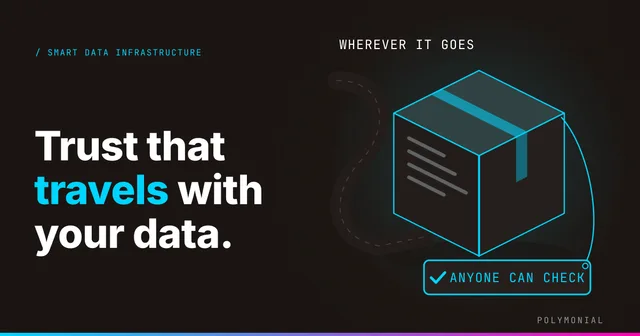
What is Smart Data Infrastructure?
Smart Data Infrastructure keeps your data secure, trusted and under your control, so you can share it, store it and use it without losing hold of it.
Read More ›
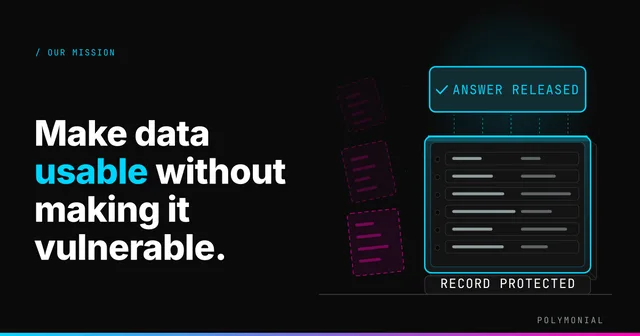
Our mission: make data usable without making it vulnerable
We exist to give every organisation the infrastructure to store, move, share and use its data with confidence, wherever it goes.
Read More ›
Trust that travels.
Secure, trusted and under your control.