EU Digital Identity Wallet: a checklist for relying parties
The EU Digital Identity Wallet is due in every member state by the end of 2026. Here's what to have ready before you accept the facts people share.
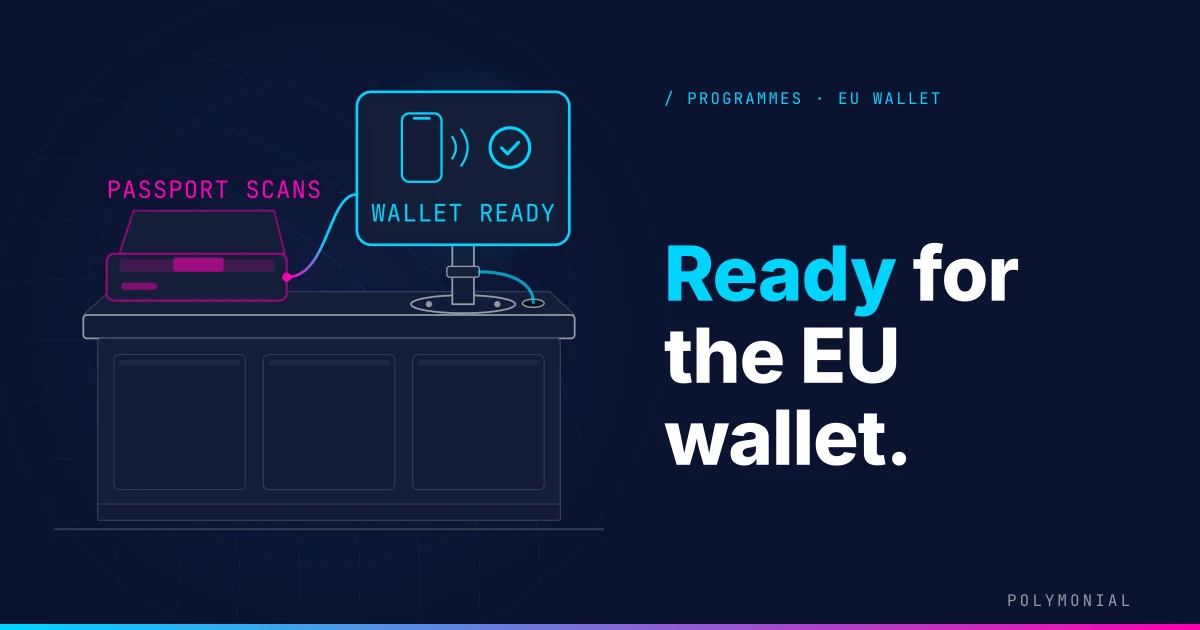
The EU Digital Identity Wallet puts verified facts about a person on their phone: who they are, how old they are, what qualifications they hold, whether they're entitled to drive. People choose which facts to share with a service, and share just those. Every Member State must make a wallet available to every citizen, resident and business by the end of 2026.
Organisations that accept those facts are known as relying parties: banks, insurers, telecoms firms, online platforms, landlords, employers and public services. Public authorities must accept the wallet from the end of 2026. From the end of 2027, private services that must use strong customer authentication, such as banks, must also accept the wallet when a customer chooses to use it. For every relying party, the wallet changes both what they receive and what they're expected to do with it.
The checklist
- Know which facts you actually need. List each customer interaction, such as opening an account, checking an age or changing an address, and the specific facts each one requires. The wallet rewards asking for less.
- Stop asking for documents by default. A verified "over eighteen" or "resident in this country" answers the question without a passport scan.
- Be ready to check what you receive. Facts from a wallet come with evidence of where they came from. Your systems need to check it, every time.
- Explain why you're asking. People see each request on their phone. A request for more than it needs will be noticed, and may be refused.
- Keep a record of every check. When a regulator or auditor asks, you should be able to show what you checked, when, and against what.
- Hold less, keep less. Decide what you'll keep from each interaction. The less you store, the less you have to protect.
- Plan for both worlds. Many customers will keep using documents for some time. Your processes have to work with and without a wallet.
- Think beyond one country. Each Member State provides its own wallet, built to common EU rules, so accepting them should work the same way whichever one a customer uses.
- Bring your partners with you. Identity suppliers, onboarding platforms and outsourced contact centres all touch these interactions, and each needs to be ready.
- Name an owner. A team that owns wallet readiness across product, compliance and security gets there faster than a project with no home.
Where relying parties usually fall short
The gaps are rarely about technology alone. They're about habit: asking for whole documents when a single fact would do, keeping copies just in case, and having no clear record of what was checked. The wallet makes those habits visible to the customer.
What good looks like
With Smart Data Infrastructure, you receive the answer you asked for, check it, and keep a record of it you can show later. You hold the confirmations you need, not piles of documents. Your customers' data stays secure, trusted and under their control, and you have the evidence to show it.
Wallets are due by the end of 2026, so the time to work through this list is before then. If you'll be accepting wallet answers, talk to us about your digital identity programme.
Related Posts
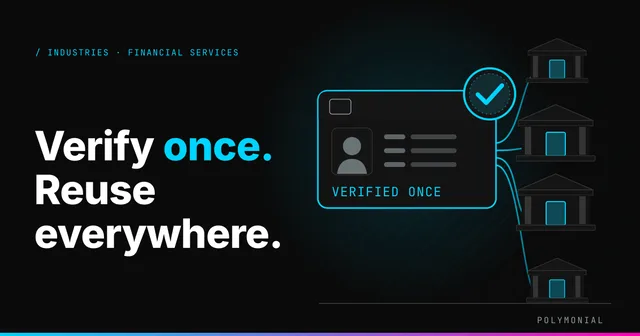
Financial services KYC: verify a customer once, reuse it
Customers prove who they are once. Every bank, broker and fintech that asks afterwards gets the answer it needs, without another copy of their documents.
Read More ›
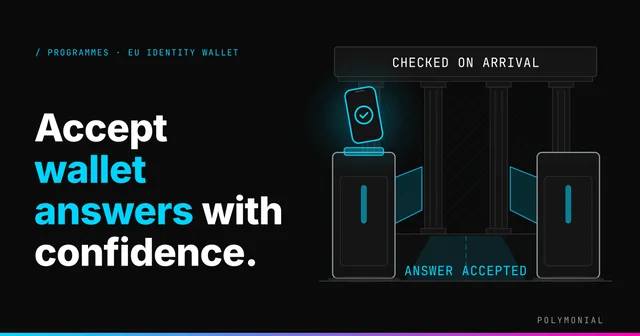
EU Digital Identity Wallet: what it asks of banks
EU wallets are due by the end of 2026, and banks must accept them from the end of 2027. Acting on a wallet answer takes more than a new login button.
Read More ›
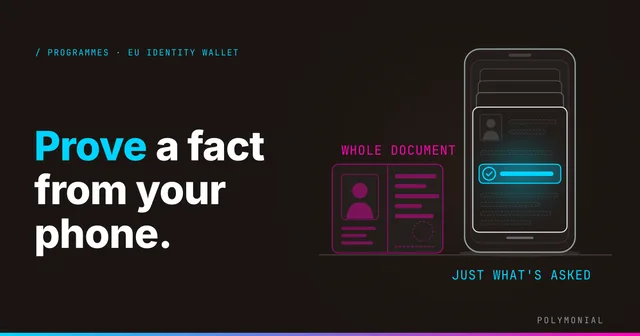
EU Digital Identity Wallet: what changes for you
Every EU state must offer a digital identity wallet by the end of 2026. What changes for the people who carry it and the businesses that ask.
Read More ›
Trust that travels.
Secure, trusted and under your control.