Government: identity without surveillance
Public services need to confirm facts about people, not collect whole records. Share the answer a service needs, and nothing more.
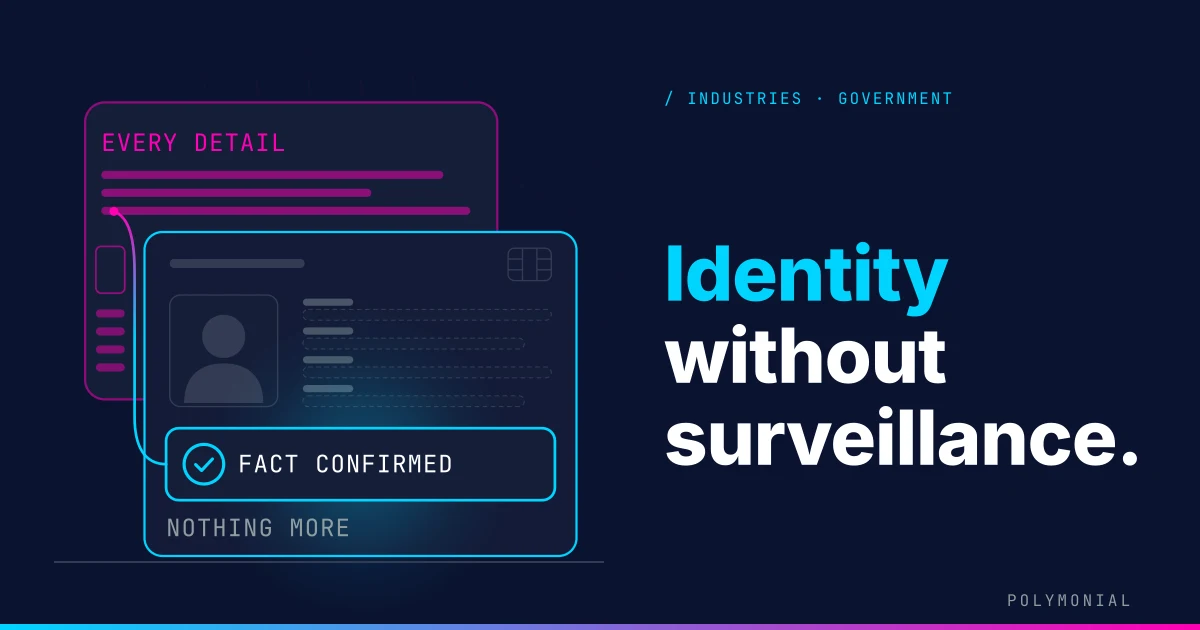
Governments need to know things about people. Is this person entitled to the benefit? Old enough to buy this? Resident here? Allowed to work? Licensed to drive? Every public service runs on questions like these.
The way those questions are answered has barely changed. A citizen hands over a document, or one department looks them up in another department's records, and a full copy of the details is taken to confirm a single fact. Over time, that copying builds something nobody set out to create: a detailed picture of people's lives, spread across many systems, each one a target.
Citizens notice. Trust in digital public services depends on people believing that the state asks only for what it needs, and keeps only what it must.
The trouble with whole records
When a service needs one fact, it usually receives many.
- A passport shown to confirm age also reveals a full name, a date of birth, a nationality and a document number.
- A utility bill shown to confirm an address also reveals a supplier, an account and a pattern of spending.
- A data match between departments to confirm eligibility can expose a person's whole history with the other department.
Each extra detail becomes something to secure, retain and dispose of. Each copy is another place it can leak from. And each lookup leaves a trail of who checked what, about whom, often visible to more people than ever needed to see it.
Before and after: applying for a concession
A resident applies to their local council for a reduced-fare travel pass, which depends on age and on living in the area. (Illustrative.)
Before. The council asks for a passport or driving licence and two recent bills. The resident scans them at the library because they don't own a scanner. A caseworker checks the documents by eye, copies them into the case file, and keeps them for years under the council's retention rules. The council now holds a full identity document and two bills for a decision that needed two facts. When its systems are breached, those copies are exposed along with everyone else's.
After. The council asks for exactly what the decision needs: over the qualifying age, and resident in the area. It receives a confirmation of each fact from a source it trusts, and checks it. The resident shares nothing else. The caseworker sees the two answers, not the documents behind them. The council keeps a record that the facts were confirmed, which is all its auditors need. If its systems are ever breached, there is far less to lose.
Confirm a fact, not a whole record
With Smart Data Infrastructure, a service asks for exactly the fact it needs, and receives a confirmation of that fact, and nothing more. The underlying record stays where it is, with the organisation responsible for it. The service can check that the answer is genuine without seeing what sits behind it.
That changes the shape of public data:
- Departments share answers, not files. Eligibility can be confirmed across organisations without moving whole records between them.
- Citizens stay in control. People decide which service learns what.
- Answers stay current. The fact comes from the organisation that holds the record, not from a stale copy.
- Oversight gets easier. Auditors and regulators can see what was checked, and when, without being handed personal data to see it.
Identity without surveillance
Surveillance rarely starts as a decision. It builds up from many small, reasonable requests, each of which collected a little more than it needed. The answer is not to stop checking facts: services must check entitlement, and people want them to. The answer is to stop collecting records in order to check facts.
When services receive answers instead of documents, there is no pile of copies to search, combine or leak. The state can confirm what it needs to know without learning everything else. That is identity that serves people, rather than watching them.
What it means for your teams
Service teams decide cases faster, because they receive the facts a decision needs rather than documents to interpret.
Information-governance teams hold less, retain less and dispose of less.
Security teams defend fewer copies of the most sensitive data the organisation holds.
Leaders can tell citizens, plainly and truthfully, that the service asks only for what it needs.
The pressures behind it
Public bodies feel all four forces reshaping how data is handled. Data-protection and digital-identity rules expect services to collect the minimum. Citizens' data must stay under the control of the state and the people it describes. Records kept for a lifetime need protection that lasts. AI is entering casework, and must use only the data it is entitled to. All four land on your data and compute, and Smart Data Infrastructure is the layer under all four.
Every new digital service is a chance to collect less from the start. If your organisation delivers public services, talk to us about your sector.
Related Posts
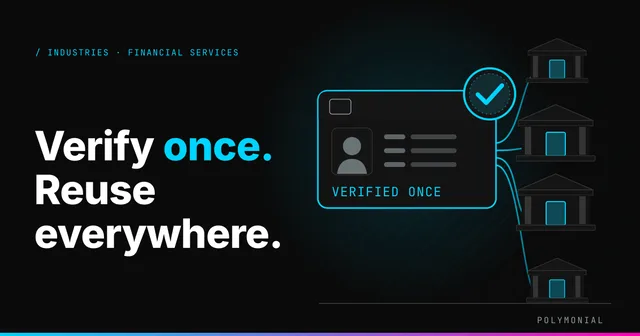
Financial services KYC: verify a customer once, reuse it
Customers prove who they are once. Every bank, broker and fintech that asks afterwards gets the answer it needs, without another copy of their documents.
Read More ›
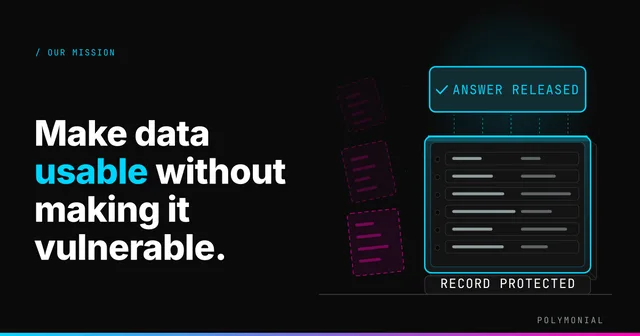
Our mission: make data usable without making it vulnerable
We exist to give every organisation the infrastructure to store, move, share and use its data with confidence, wherever it goes.
Read More ›
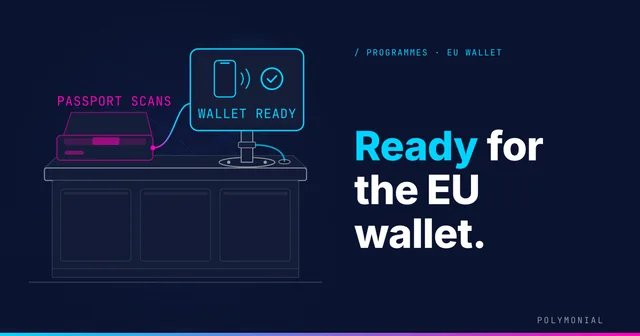
EU Digital Identity Wallet: a checklist for relying parties
The EU Digital Identity Wallet is due in every member state by the end of 2026. Here's what to have ready before you accept the facts people share.
Read More ›
Trust that travels.
Secure, trusted and under your control.