Energy and utilities: critical data you can rely on
Meters, networks and suppliers all depend on data they didn't create. Energy runs better when every party can rely on the readings it receives.
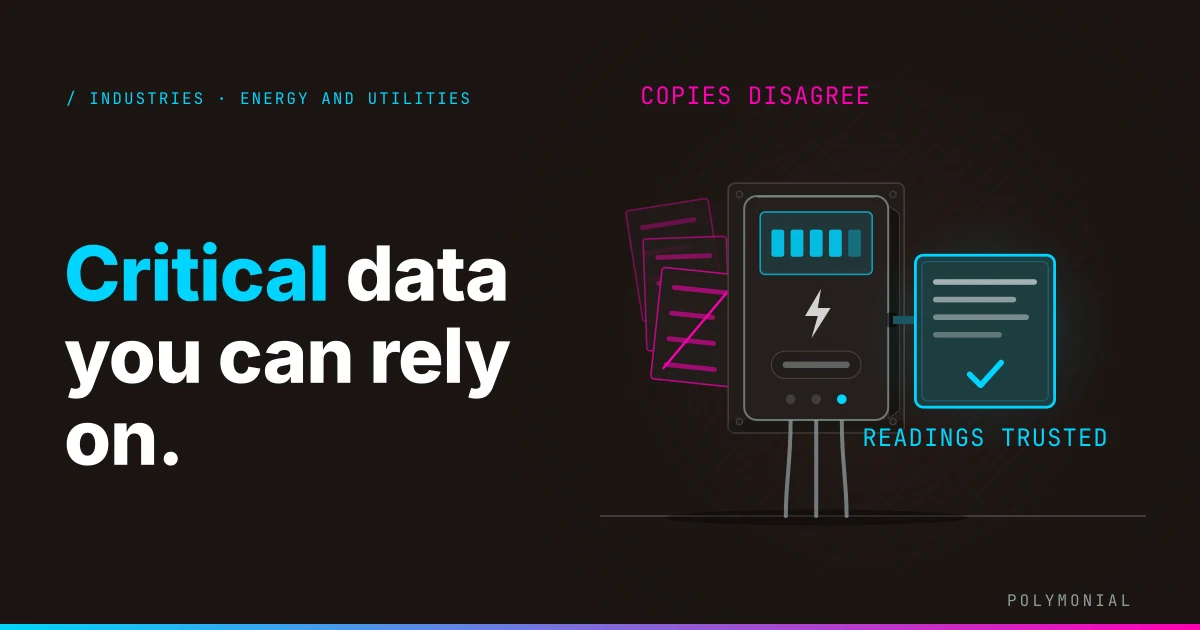
Energy and water run on data that passes through many hands. A meter takes a reading. A communications network carries it. A supplier bills from it, a network operator plans from it, a settlement body reconciles it and a regulator reviews the lot. Every one of those parties depends on figures it didn't produce.
Most of the time that works. When it doesn't, the cost lands quickly: disputed bills, settlement corrections, investigations into outages, and a regulator asking which version of events is the true one.
The pressure on the sector
Energy and water are critical national infrastructure. That brings closer attention from regulators and security agencies, stricter expectations on resilience, and a long list of parties who need to see some of the data, but never all of it.
The estate is changing at the same time. Britain's smart meter network is moving to 4G before the 2G and 3G networks close, with the switch due by 2033. Meters stay in homes for many years, so old and new devices have to work side by side while the systems around them change. The protection meters ship with has to last as long as they do, and that makes quantum a question for today rather than later.
Before and after: paying for flexibility
A business agrees to cut its electricity use when the network is under strain, and is paid for each time it does. (Illustrative.)
Before. After a cold evening, the network asks for evidence that the business reduced its demand when asked. The business sends figures from its own building systems. The aggregator that signed it up has different numbers, and the network's records sit in another format again. Each party trusts its own copy. Payment is delayed while the figures are reconciled by hand, and next winter the business is less keen to take part.
After. Every reading carries its own evidence from the moment it enters the record. The business, the aggregator and the network all check the same readings and can see they haven't been altered since. The reduction is confirmed within days, and the business is paid on facts rather than after a negotiation. Each party sees only the data the arrangement needs, and the business stays willing to help when the network next asks.
Where trust breaks down today
- Readings are copied, not checked. Each party keeps its own version, and versions drift.
- Records can be quietly changed. A system's own logs show what it says happened, not that nothing was altered later.
- Sharing means oversharing. To answer one question, organisations often send whole datasets, including customer details the recipient never needed.
- Old and new don't line up. Upgrades to networks, meters and back-office systems arrive in stages, and evidence has to survive every one of them.
What changes with Smart Data Infrastructure
- Readings suppliers and networks can trust, from the moment they are made.
- Records that each party can check for itself, whoever holds them.
- Each party sees only what it needs. A settlement body gets the totals, a customer gets its own consumption, a regulator gets the evidence it asked for.
- Trust in the records carries across each generation of equipment, so it doesn't reset with every upgrade.
The data stays secure, trusted and under your control, wherever it goes.
What it means for your teams
Operations teams spend less time reconciling one system's figures with another's.
Billing and settlement teams resolve disputes from evidence everyone accepts, not from competing spreadsheets.
Security teams can show which data went where, and who could see it, without assembling the story after the fact.
Regulatory teams answer questions with records rather than descriptions, and share no more than they were asked for.
Beyond metering
The same pattern runs through the sector. Flexibility markets pay for demand that was genuinely reduced, so both sides need to trust the measurement. Water companies report on leakage and quality to regulators who need confidence in the figures. Network operators share outage and asset data with contractors and emergency services, who need some of it quickly and none of the rest. In each case the answer is the same: share the fact that's needed, with evidence that holds up.
Why act now
Infrastructure lasts decades. The equipment being installed and the records being created today will still be relied on long after the current round of upgrades is finished. Trust built into the data now doesn't have to be rebuilt with every upgrade that follows.
If you run, supply or regulate energy or water, talk to us about your sector.
Related Posts
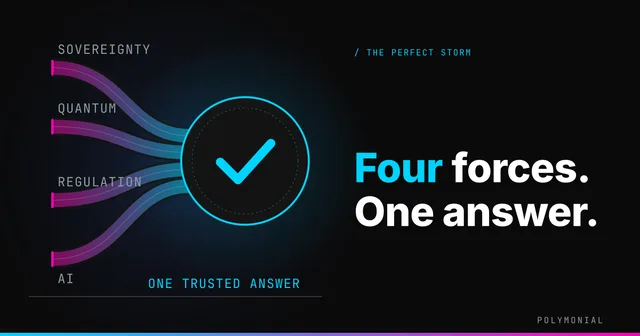
The perfect storm: four forces converging on your business
Sovereignty, Quantum, Regulation and AI are arriving at once. Each raises the cost of holding data, and each can become value when your data proves itself.
Read More ›
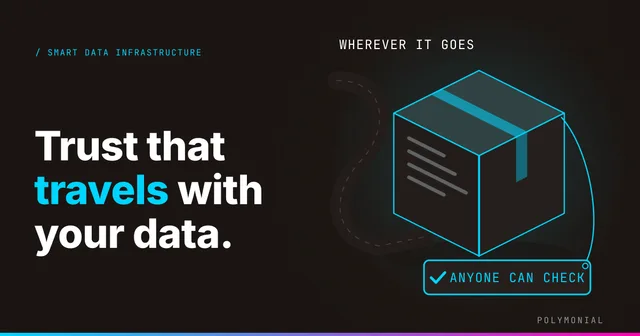
What is Smart Data Infrastructure?
Smart Data Infrastructure keeps your data secure, trusted and under your control, so you can share it, store it and use it without losing hold of it.
Read More ›
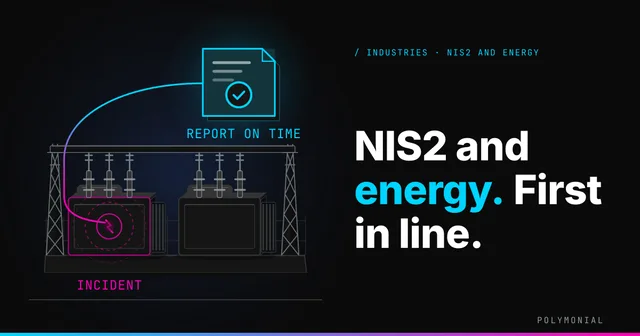
NIS2 and energy: first in line
Energy sits at the front of NIS2's sectors of high criticality. Operators have to manage risk, report incidents and answer for suppliers, with evidence.
Read More ›
Trust that travels.
Secure, trusted and under your control.