NIS2 and healthcare: when downtime means delayed care
When a hospital system fails, care is delayed. NIS2 asks larger healthcare providers to show what happened, fast, without spreading patient data further.
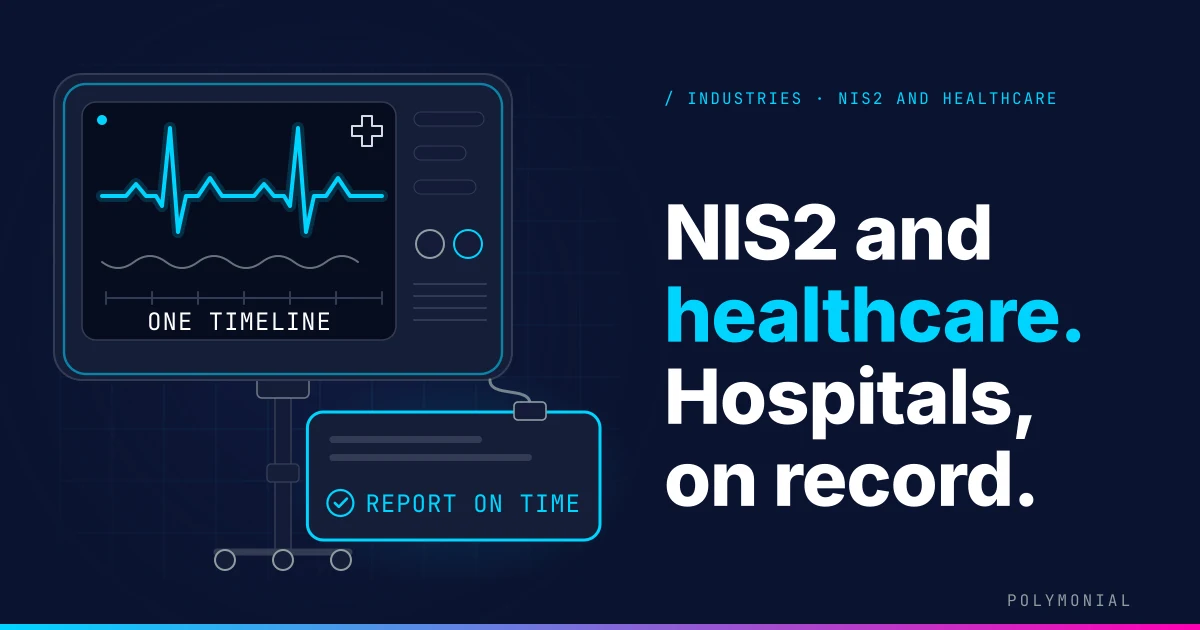
Hospitals run on data. Admissions, prescriptions, imaging, lab results and theatre schedules all depend on systems that have to be available at three in the morning as much as at noon. When those systems fail, the effect is measured in delayed care, not lost revenue. NIS2, the EU's directive on network and information security, recognises this by counting healthcare among the critical sectors it covers.
What NIS2 asks of healthcare providers
- Manage cyber risk across the organisation, from clinical systems and medical devices to building systems and the network that joins them.
- Report significant incidents to the national authority quickly, and follow up with a full account.
- Answer for suppliers. Record-system vendors, device makers, laboratories and outsourced IT are part of the hospital's own risk.
- Hold leadership to account. Boards approve the risk measures and answer for them.
Why healthcare finds it hard
A hospital runs hundreds of systems, many bought from different suppliers over many years. Medical devices stay in service long after the software on them was current. Clinicians need fast access, so controls that slow them down get worked around.
Incidents also land on the most sensitive data there is. Reporting one means describing what happened to systems that hold patient records, without spreading those records further in the process.
Before and after: a ransomware incident at a hospital
A hospital's lab system is disrupted by ransomware, and test results stop flowing to the wards. (Illustrative.)
Before. The IT team, the lab supplier and the clinical safety lead each hold part of the picture. Logs are exported by hand, and some include patient details that now have to be redacted before anyone outside can see them. The first report to the authority is on time but thin. The follow-up takes weeks, and the board hears a different version of events from the one the regulator receives.
After. Each party records what it sees as it happens, in records that stay exactly as they were made. The hospital shares with the authority the facts the report needs: what was affected, when, and what was done. Patient details stay where they are. The board, the regulator and the clinical safety team work from the same account.
What good looks like
- One timeline of the incident, built from what each team and supplier recorded at the time, and fixed once recorded.
- Reports drawn from that timeline, carrying the facts the authority needs and no patient detail.
- Suppliers who show their part, so the lab, device and record-system vendors add evidence rather than opinions.
- Clinical data that stays secure, trusted and under your control, during an incident and after it.
Why now
Downtime in a hospital is measured in delayed care, and that pressure is one reason attackers target the sector. The next incident will not wait for a reporting process to be ready. Providers who can show what happened, quickly and without exposing patients, keep the confidence of regulators and the public when it lands.
If you run, supply or support healthcare services, talk to us about your sector.
Related Posts
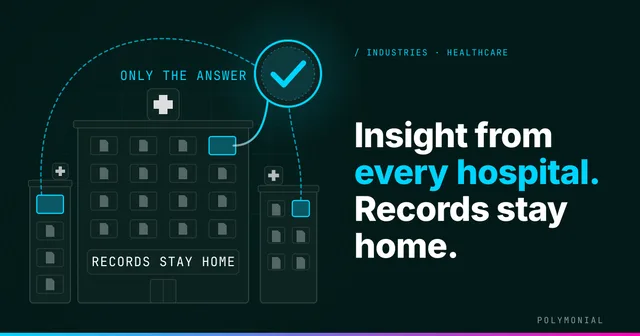
Healthcare: hospital insight without moving records
Research needs answers from many hospitals, and patients need their records to stay put. A study receives what it needs, and nothing more.
Read More ›
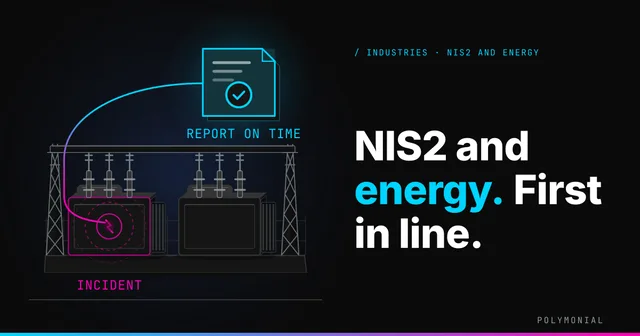
NIS2 and energy: first in line
Energy sits at the front of NIS2's sectors of high criticality. Operators have to manage risk, report incidents and answer for suppliers, with evidence.
Read More ›
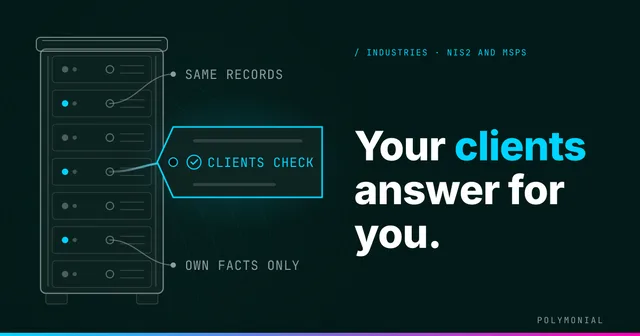
NIS2 for managed service providers: clients answer for you
Under NIS2, most managed-service providers are regulated in their own right, and their clients must answer for them too. Evidence beats questionnaires.
Read More ›
Trust that travels.
Secure, trusted and under your control.